
In the ever-evolving world of industrial automation, choosing the right Hart Converter Manufacturer is crucial. Experts like Daniel Thompson, a leading engineer in automation systems, emphasize the importance of this choice. He once stated, "The quality of your data starts with the right converter.” Such insights highlight how vital these devices are for seamless communication in process control.
Quality converters ensure precise data transmission. They enhance performance, minimize errors, and support efficient operations. However, not all Hart Converter Manufacturers deliver the same level of reliability. Some fall short on quality or customer service. This inconsistency can lead to operational headaches and unintended costs.
It's essential to evaluate manufacturers carefully. Look for those with a proven track record and strong industry presence. Researching customer reviews and seeking expert recommendations can provide valuable insights. The right manufacturer can make a significant difference in your operational efficiency and data integrity. In this complex landscape, making the wrong choice can be detrimental to your processes.
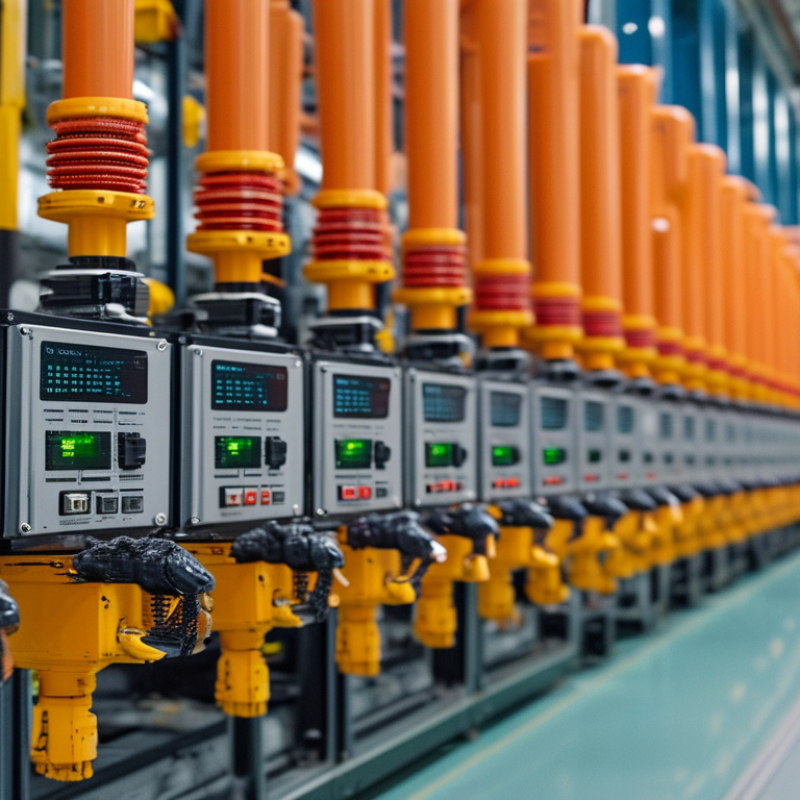
Hart converters play a vital role in industrial automation. They bridge the gap between field instruments and control systems. These converters facilitate robust communication in various environments. A good converter ensures accurate data transmission, which is crucial for monitoring and control.
According to a report by MarketsandMarkets, the global market for Hart technology is projected to grow at a CAGR of 8.5% from 2021 to 2026. This growth highlights the increasing reliance on effective communication protocols in automation. As industries adopt advanced technologies, reliable Hart converters are essential. They improve efficiency and reduce downtime.
However, selecting the right manufacturer can be challenging. Many options claim to offer leading-edge technology. It's essential to research their design, performance, and customer feedback. Not every product in the market meets rigorous standards. A thorough evaluation can save significant costs in the long run. Therefore, understanding the nuances of Hart technology is key for making informed decisions in a competitive landscape.
When selecting a HART converter manufacturer, several factors demand your attention. Experience in the industry is critical. An established manufacturer often has a proven track record in producing reliable converters. Their long-standing presence reflects their commitment to quality. Look for manufacturers with a portfolio of successful projects. Such evidence can assure you of their capability.
Quality is another vital aspect. Ensure the manufacturer adheres to international standards. Certifications can indicate a dedication to maintaining high production values. However, not all manufacturers display their certifications openly. It’s wise to inquire directly about their quality assurance processes. Transparency in their operations is a good sign.
Tips: Always request samples before making a sizeable investment. This practice allows you to test performance firsthand. Don’t hesitate to ask for references from their previous clients. Feedback from experienced users can clarify the manufacturer’s reliability. Take the time to research, and don’t rush the decision. Your choice impacts the efficiency of your operations.
Choosing the best Hart converter manufacturer can greatly impact performance and efficiency in industrial applications. High-quality converters are crucial for optimal energy conversion. A report from the International Energy Agency reveals that inefficient converters can lead to energy losses of up to 30%. Selecting a reputable manufacturer ensures you receive products designed for durability and reliability.
When you prioritize quality, you often find better service and support. Many leading manufacturers provide comprehensive warranties and maintenance options, enhancing your overall investment. Studies show that companies that invest in high-grade components notice a 20% increase in operational uptime. This improvement translates into higher productivity and lower operational costs.
Tip: Evaluate your specific needs before selecting a manufacturer. Understanding your requirements can help you find a converter tailored to your application. Another important point is to check customer reviews and industry certifications, which can indicate a manufacturer's credibility and expertise. Not all manufacturers deliver the same quality, and some may have hidden flaws. Conducting thorough research is key to making an informed choice.
When selecting a Hart converter, several key features are essential. One important factor is the accuracy of measurement. A reliable converter must provide precise readings under various conditions. Look for converters with high accuracy specifications, typically within a 0.1% error range. This ensures that your data is trustworthy, which can significantly impact operational decisions.
Another critical consideration is the device's durability and environmental resistance. Many projects require equipment to withstand harsh conditions. A robust Hart converter should feature protection against dust, moisture, and temperature fluctuations. This durability minimizes the risk of failure during crucial operations.
While functionality is vital, ease of use shouldn't be overlooked. A user-friendly interface simplifies setup and reduces training time for staff. However, sometimes the simplest interfaces lack advanced features. It's crucial to balance these aspects. Not all converters claim intuitive design achieve it effectively. Ensuring your choice is backed by proper testing and reviews can help you avoid potential disappointments.
| Feature | Description | Importance |
|---|---|---|
| Accuracy | High precision in measurement and communication. | Ensures reliable data for process control. |
| Compatibility | Works seamlessly with existing systems and devices. | Reduces integration costs and time. |
| Durability | Resists harsh environments and conditions. | Minimizes maintenance and replacement needs. |
| Support | Offers comprehensive technical support and resources. | Facilitates installation and troubleshooting. |
| User-Friendly Interface | Intuitive design for easy operation. | Reduces training time and errors during usage. |
When evaluating a Hart converter manufacturer, reputation stands out as a key factor. A strong reputation often indicates reliability and quality. Look for manufacturers involved in industry certifications and recognized standards. This can highlight their commitment to excellence.
Customer reviews offer valuable insights. These reviews can reveal both strengths and weaknesses of a manufacturer. Pay attention to feedback on product performance and customer service. A pattern of positive experiences can confirm a manufacturer's credibility. However, not every review is perfect. Some complaints may highlight legitimate concerns worth considering.
Industry experience also plays a role in assessing reputation. Manufacturers with years in the business typically develop a robust understanding of market needs. They adapt to changes and innovate their offerings. Still, watch out for complacency. Long-established companies may sometimes resist new technologies or methods. Balancing tradition with innovation is crucial.
RT converter manufacturer?
Quality ensures adherence to international standards. Certifications reflect their commitment to high production values.
It’s best to ask directly about their quality assurance. Transparency in operations is a good sign of reliability.
Samples allow you to test the performance firsthand. This helps ensure the product meets your needs.
Reviews provide insights into the manufacturer’s strengths and weaknesses. Patterns of feedback can clarify their credibility.
High-quality converters improve performance, reducing energy losses. This investment can lead to lower operational costs and higher productivity.
Knowing your requirements aids in finding a tailored converter. It can prevent mismatched products that don’t fit your application.
Yes, some may resist adopting new technologies. Balancing tradition and innovation is essential for ongoing success.
Consider them carefully. Some complaints may indicate legitimate concerns worth reflecting on before making a choice.
Look for industry certifications and check their history. A strong reputation is tied to past performance and market understanding.
Choosing the right Hart Converter Manufacturer is crucial for ensuring optimal performance and reliability in industrial applications. Understanding the importance of Hart converters, which facilitate communication between field instruments and control systems, is the first step. When selecting a manufacturer, key factors to consider include their experience, product quality, and customer support services.
Selecting the best manufacturer offers numerous benefits, such as enhanced product durability and improved technical support. It is also essential to look for top features in a Hart converter that will meet specific operational needs. Finally, evaluating the reputation of a Hart Converter Manufacturer through customer reviews and industry standing can help ensure that you make an informed decision, ultimately leading to a more efficient and effective implementation of Hart technology in your operations.
