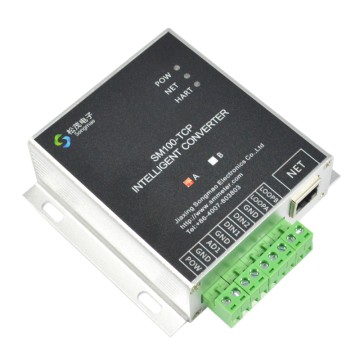
Reliable Modbus, RS485, TCP/IP, and HART smart converters optimized for strict industrial sensor architectures.
Addressing the critical transition from legacy instrumentation systems to automated, cloud-enabled Industrial IoT structures.
Historically, industrial monitoring relied strictly on analog signals, with the 4-20mA current loop serving as the gold standard for robust, noise-immune telemetry. However, modern processes require more than just a single primary variable. They demand diagnostics, secondary variables, parameters configuration, and physical asset management info.
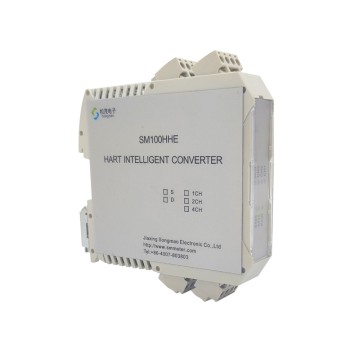
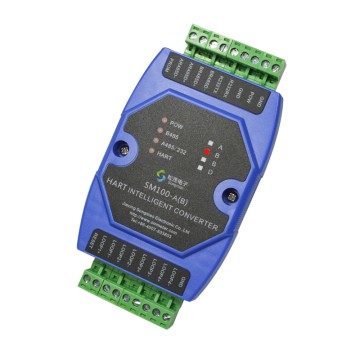
This is where the HART (Highway Addressable Remote Transducer) protocol comes into play, enabling digital communication to ride on top of the standard 4-20mA loop. Implementing converters such as the SM101-B or SM100-TCP allows process control systems to extract complete device parameters over Modbus-TCP and RTU protocols without interrupting the analog signal.
In large facilities such as oil refineries and petrochemical sites, thousands of sensors are deployed. Connecting each loop directly to its own host device creates a massive wiring overhead and increases system complexity.
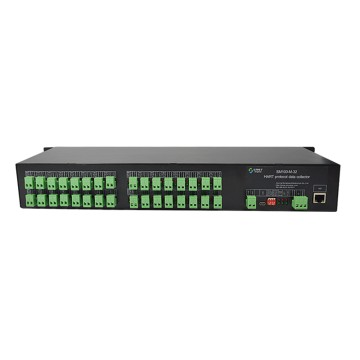
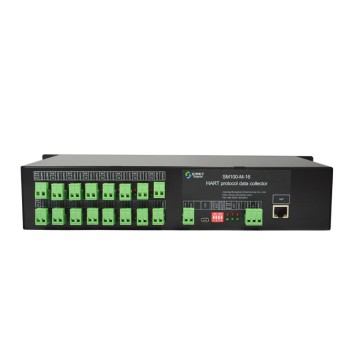
Using multi-channel converters like the 32-Channel HART Gateway (SM100-M-32), operators can consolidate data collection. These multiplexers poll each instrument sequentially, map the extracted parameters into standard Modbus registers, and serve this structured payload back to the DCS (Distributed Control System) or SCADA system.
Industrial automation sites are plagued by electrical noise, ground loops, and potential lightning transients. Standard converters lacking physical isolation run high risks of loop contamination or severe hardware damage.
Songmao's isolated products, such as the SM101-W fully isolated HART to RS485 converter, feature built-in optical or magnetic barriers. By breaking the electrical path between circuits, galvanic isolation guarantees that common-mode voltages and electrical noise do not pollute measurement data or compromise main PLC units.
Founded in 2007, Jiaxing Songmao Electronics has always been driven by technical innovation. We are deeply engaged in the industrial automation landscape, developing into a leading high-tech enterprise integrating R&D, advanced manufacturing, and global sales.
Our principal core focus lies in our independent R&D of industrial protocol converters, HART modems, multi-channel gateways, and IoT cellular collectors. Through continuous iterations, we have established ourselves as the go-to partner for robust fieldbus solutions worldwide.
With 18+ years of strict quality control (ISO 9001 standard implementation), our hardware stands up to the most demanding scenarios across petrochemical plants, municipal water lines, district heating, and natural gas systems.
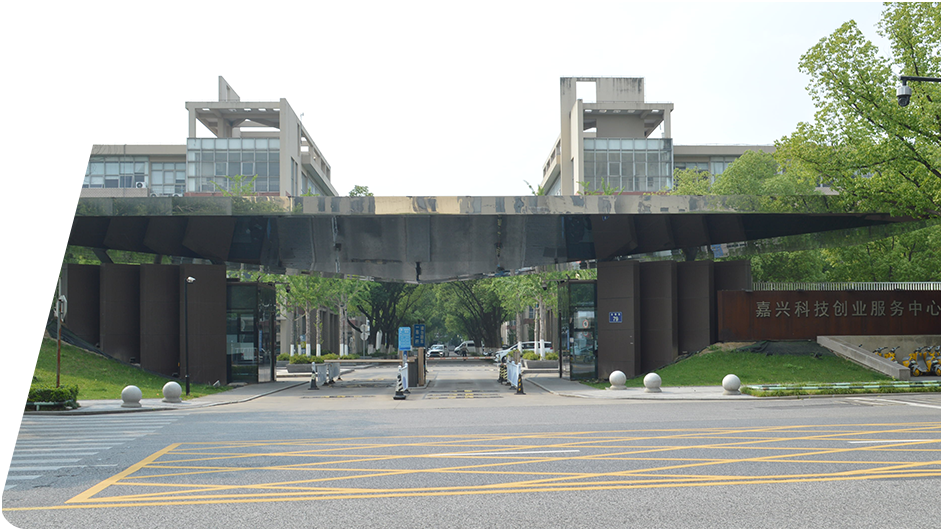
Understanding supply chain integration, quick-turn ODM scaling, and direct factory testing methodologies.
Jiaxing, situated in the heart of Zhejiang Province, benefits directly from the world's most dense electronic component ecosystem. From advanced silicon wafers and microcontrollers to raw PCB laminates, SMT (Surface Mount Technology) assembly lines operate within a localized supply chain.
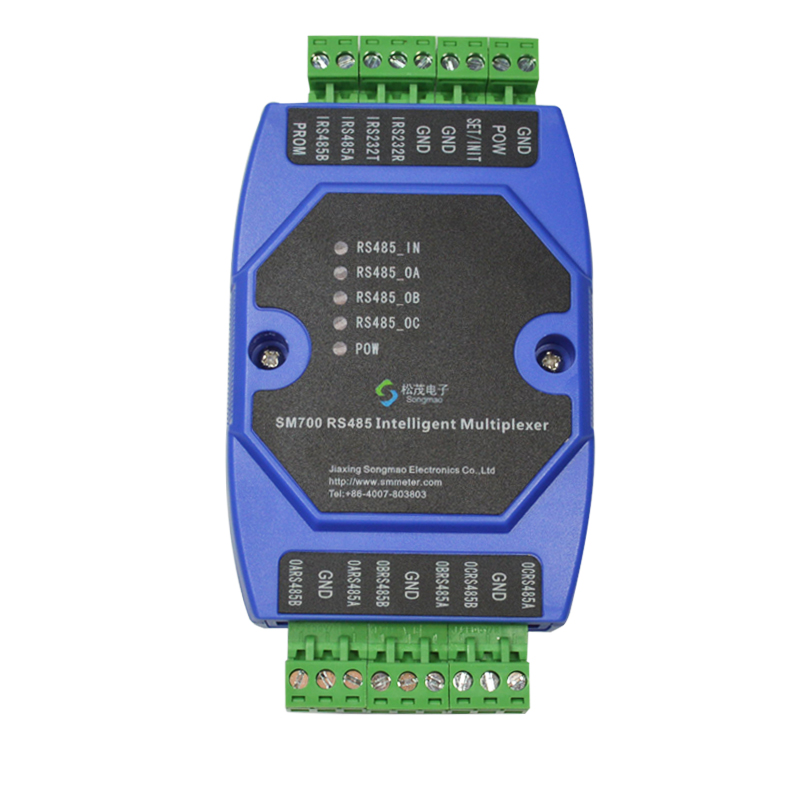
This geographical proximity ensures that prototyping cycles are reduced by over 50% compared to Western competitors. Custom modifications, such as mapping complex registers on the SM701-A (B) RS485 multiplexer, can go from design concepts to finalized hardware batches in record times.
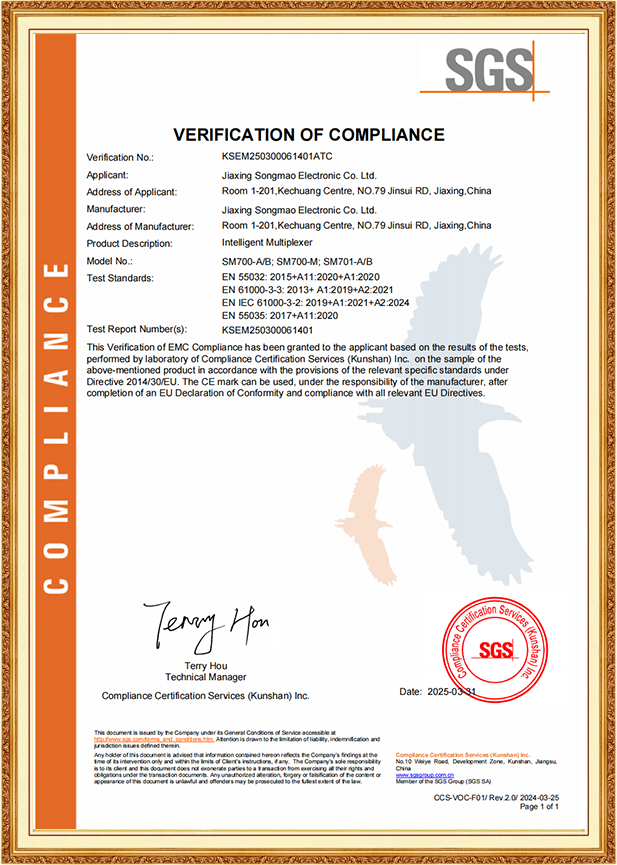
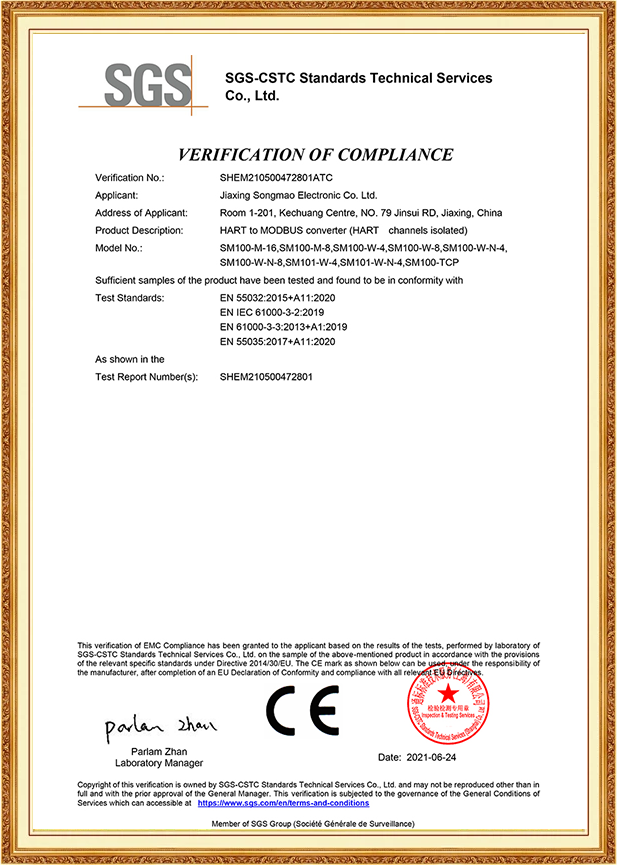
Industrial sites do not tolerate downtime. A failing converter in a hazardous field can trigger systemic safety alarms. To ensure long-term dependability, Songmao Electronics employs comprehensive burn-in testing, wide-temperature calibration chambers, and electromagnetic compatibility (EMC) evaluations.
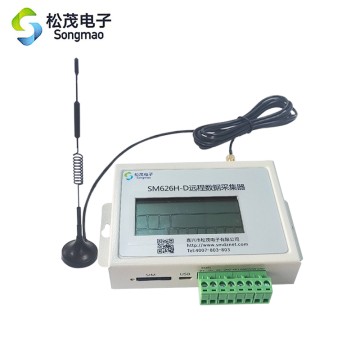
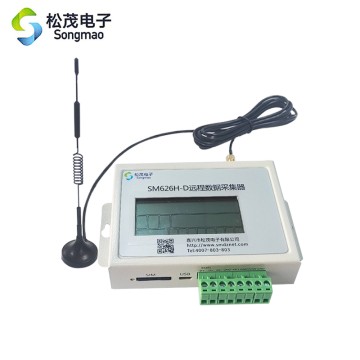
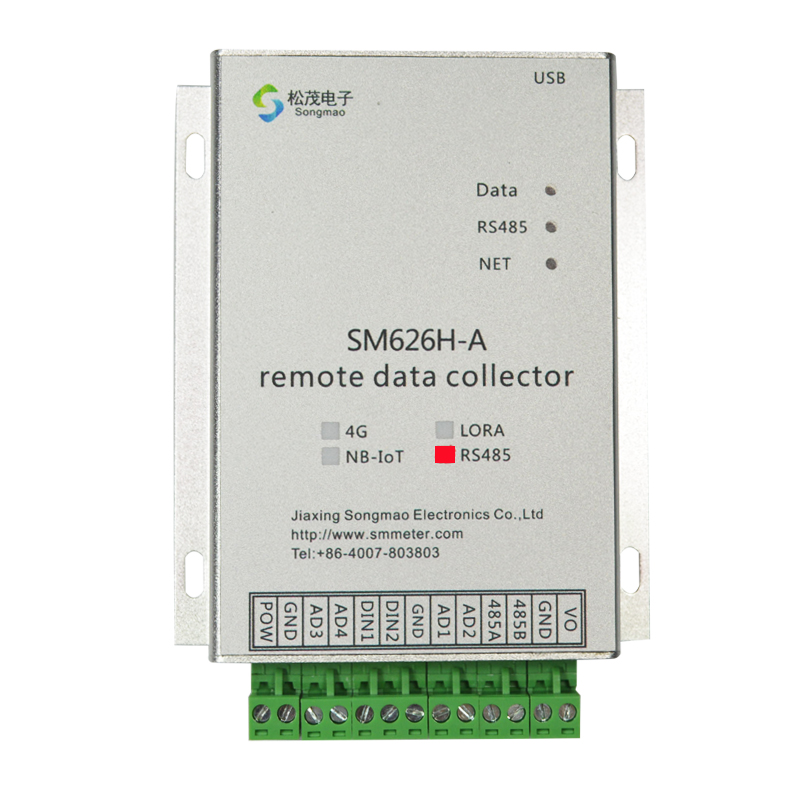
Every GPRS Remote Transmission SM626H-A collector or Modbus mapping device goes through strenuous operational testing before dispatch, maintaining a field defect rate well below standard industrial thresholds.
Ensuring system safety and reliable communication in various harsh, hazardous, or complex process environments.

Translating HART instrumentation loops into standard Modbus databases to prevent ground faults.
Read Case Study →
Multi-channel multiplexers aggregating steam pressure data into municipal SCADA nodes.
Read Case Study →
Highly secure isolated RTU communication routes operating over long desert pipelines.
Read Case Study →
Remote GPRS/4G transmission data collectors logging flow meter totals in isolated pumping hubs.
Read Case Study →
Acquiring multivariable emission tracker signals via specialized Ethernet gateways.
Read Case Study →Our commitment to standards compliance is proven by years of consistent field operations worldwide.
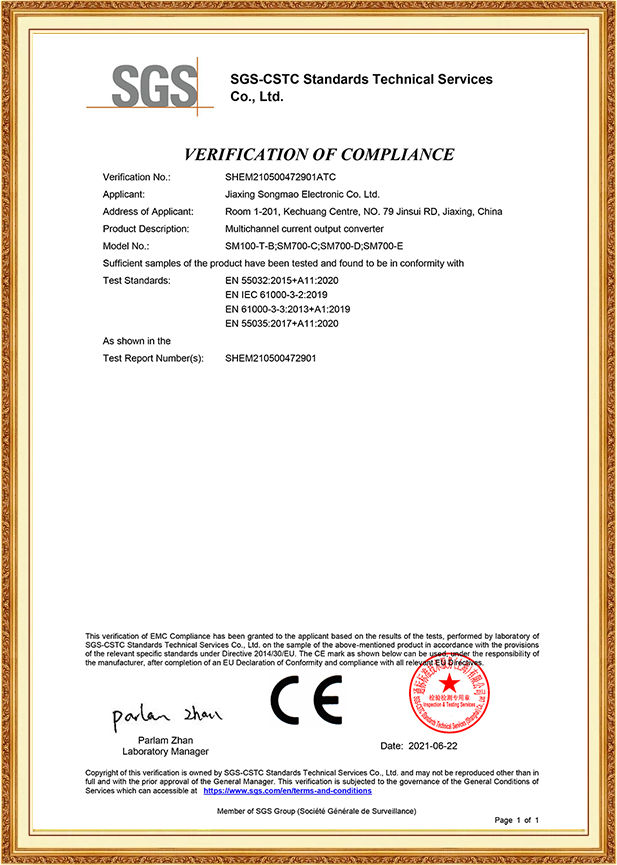
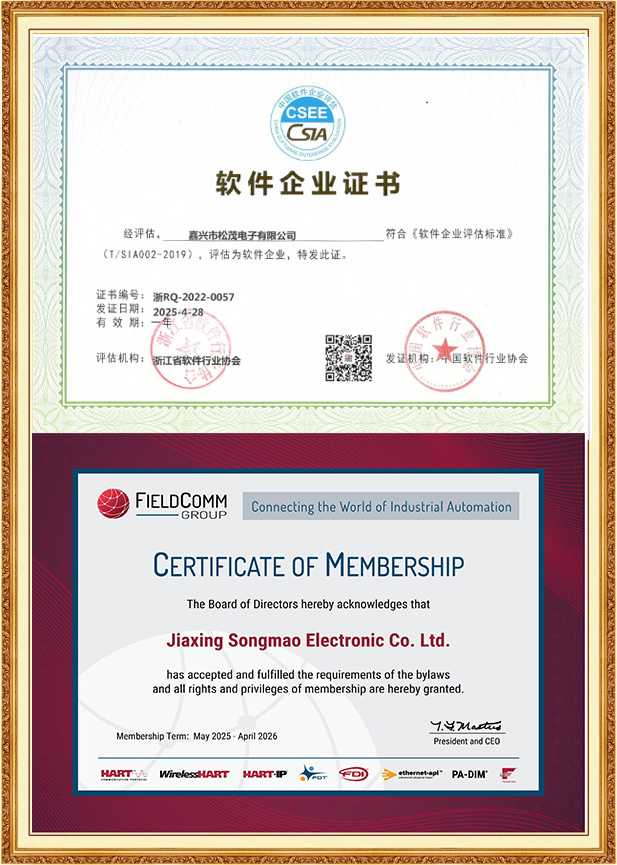
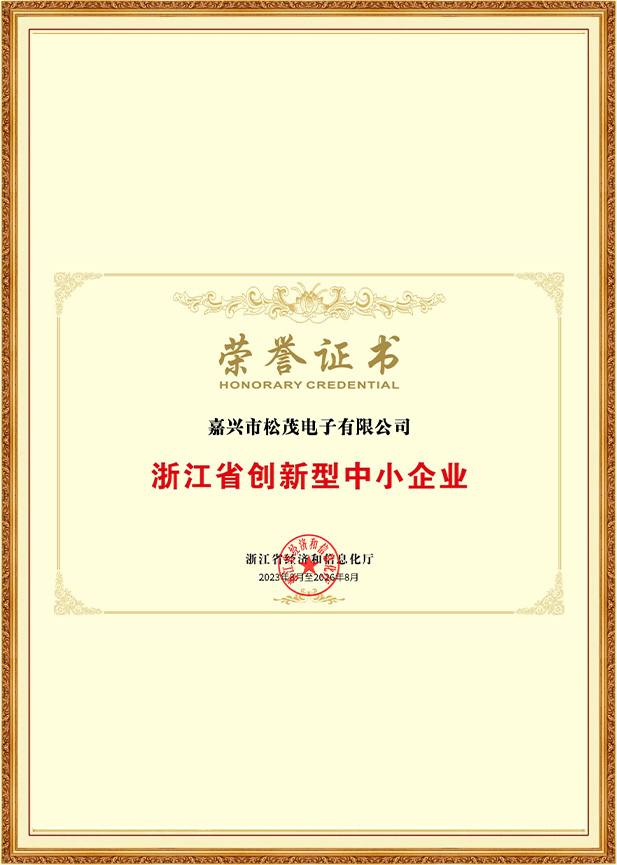
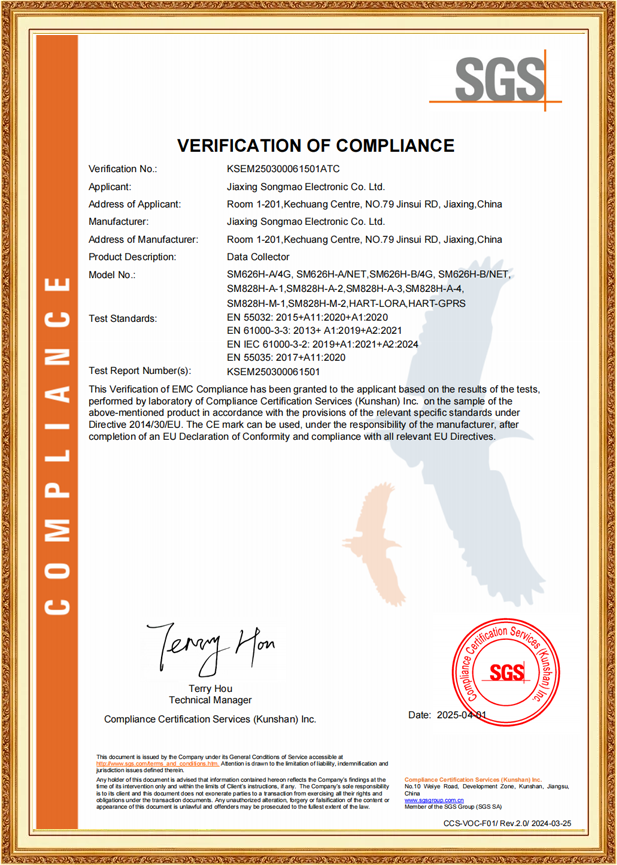
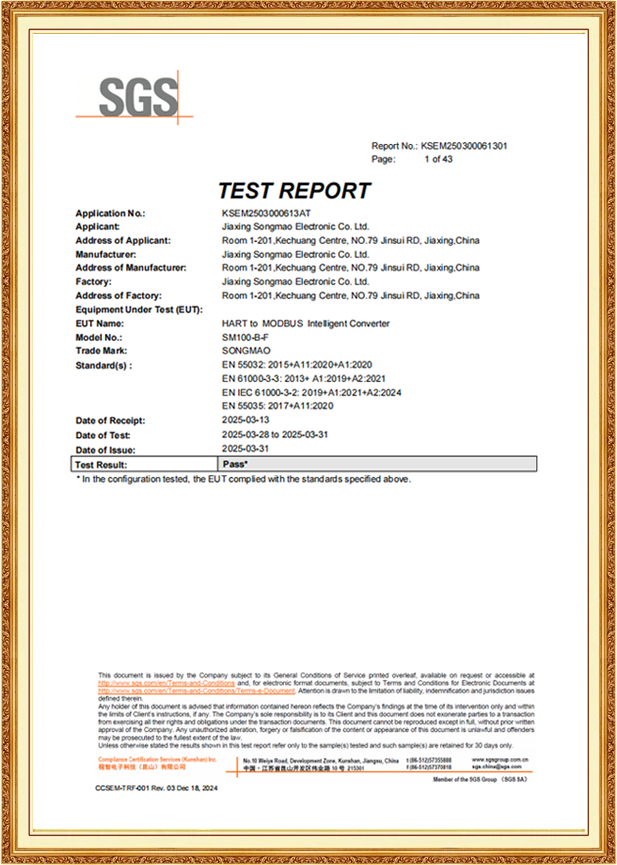
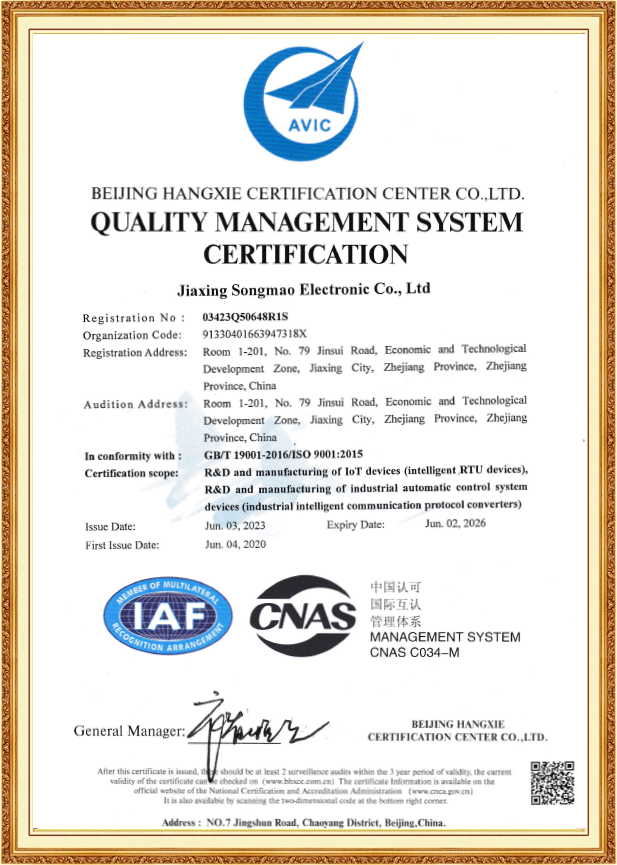
Expert guides detailing configuration steps, mapping methodologies, and diagnostic insights.
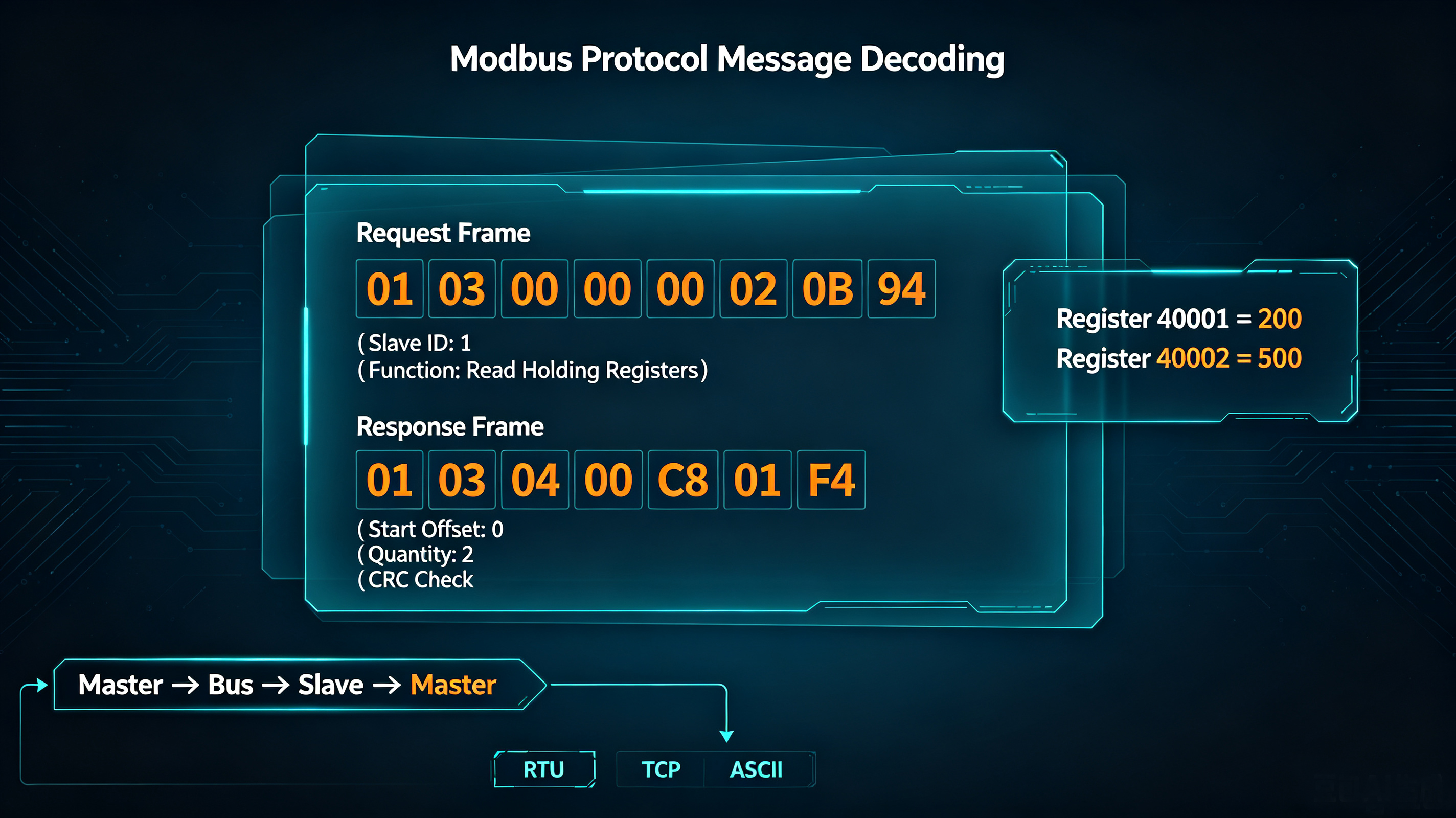
MODBUS TCP/IP is a key protocol in industrial communication. Learn standard cabling, addressing, and registers mappings for trouble-free operations.
Read Article →Detailed physical layer analysis, comparing RTU framing to TCP frame formatting. Essential troubleshooting guidelines for remote network installations.
Read Article →Deep-dive troubleshooting tips and integration strategies for automation engineers.
The differences lie in the physical transmission layers and protocol framing styles. A standard HART to Modbus-RTU converter (such as the SM101-B) transmits serial frames using half-duplex RS485 copper wiring. This is highly suitable for legacy control nodes and local panel integrations.
Conversely, a HART to Modbus-TCP gateway (like the SM100-TCP) wraps Modbus registers inside Ethernet TCP/IP frames. This facilitates direct routing over existing plant Local Area Networks (LANs) and allows high-speed communication directly into modern IT environments, SCADA platforms, and enterprise IoT databases.
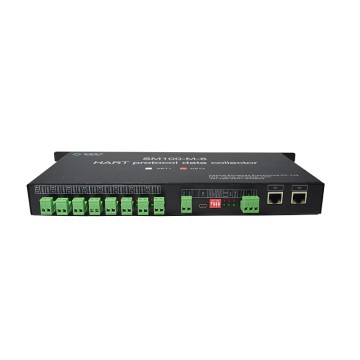
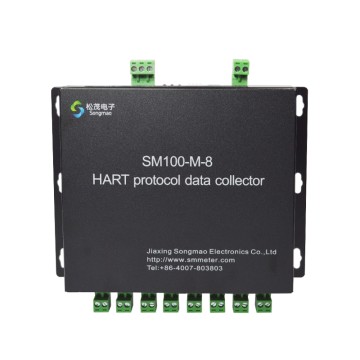
A HART multiplexer (e.g. SM100-M-32 or SM700-A(B)) serves as an automated polling unit. Instead of connecting one point-to-point converter per instrument, the multiplexer scans all 32 connected device nodes sequentially over a single physical layout.
This consolidates complex plant loops, saving massive expenditures in wiring, layout terminations, and analog-input PLC cards. The consolidated data is then mapped into standard registers, enabling high-density monitoring through a unified gateway channel.
Without adequate isolation (such as that found in our SM101-W fully isolated converter), transient voltage spikes, lightning strikes, or small differences in ground potential between the field sensors and control room can generate massive loop currents. These ground loops introduce measurement errors, damage analog inputs, or even destroy expensive PLCs.
Galvanic isolation isolates the digital controller circuitry from the field loop using optical or magnetic link barriers, protecting operations from high common-mode surges.
Remote systems (like rural water management and oil wells) often lack physical Ethernet lines. Remote collectors (such as the SM626H-A GPRS/4G data collector) solve this by using onboard cellular transceivers.
They collect local Modbus sensor values, buffer them in volatile memory to prevent data loss during signal drops, and securely upload the accumulated metrics using cellular networks (TCP/UDP, MQTT, or GPRS formats) directly back to centralized cloud platforms.
Complete directory of our China supply, wholesales, and factory-direct industrial automation components.
Optimized for processing multi-loop sensor data directly into standard field networks.